Thinking about buying or selling a home in Bartlett and not sure what to expect? You are not alone. The right move starts with understanding how prices, inventory, and timing work together in this suburban market just outside Memphis. In this guide, you will learn which numbers matter most, how seasonality shapes activity, and how to use neighborhood comps to price or bid with confidence. Let’s dive in.
Bartlett at a glance
Bartlett sits in Shelby County just northeast of Memphis, with convenient access to major corridors like I‑40 and nearby state routes. That proximity often appeals to commuters who want suburban living with an easy drive to Memphis employment centers.
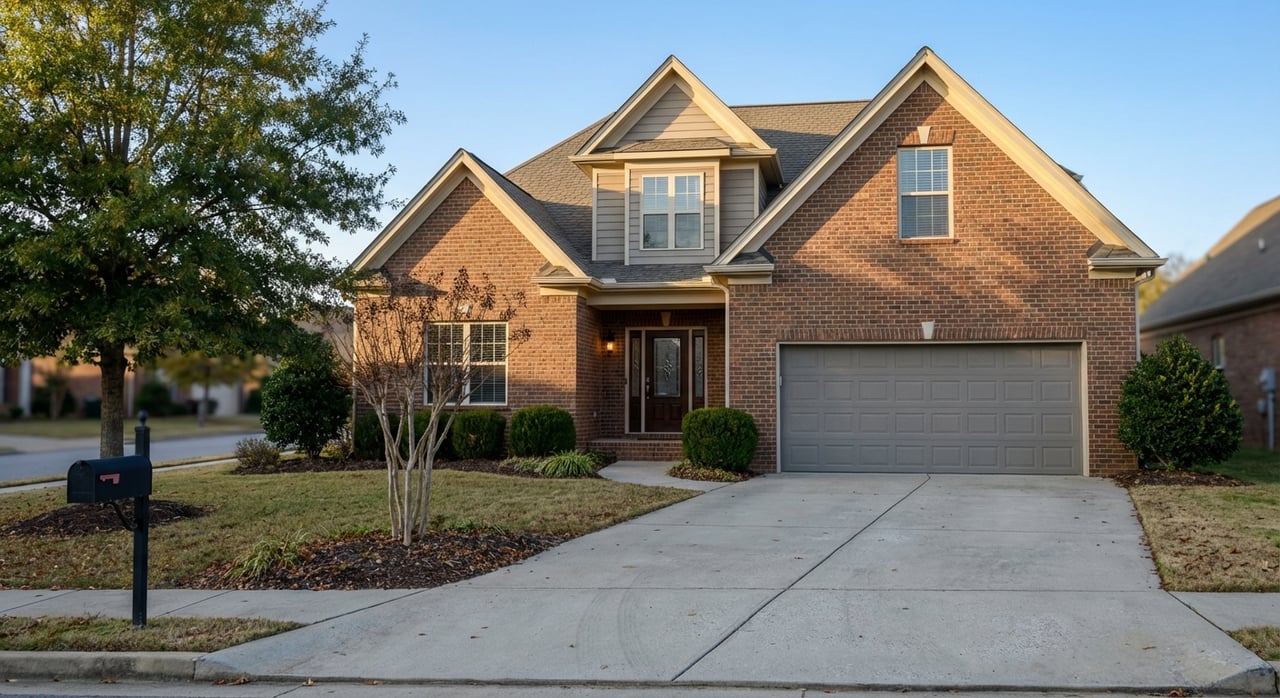
The city features mostly single‑family neighborhoods built across several decades. Subdivision homes are common, and you will find different styles and ages across the area. Bartlett City Schools operates as a municipal district. District boundaries can influence pricing patterns, so it helps to review maps when comparing nearby neighborhoods.
Property taxes, reassessments, and any local rental rules can also affect investor activity and affordability. Before you list or write an offer, plan to review tax history and local ordinances along with recent sales.
The metrics that matter in Bartlett
You do not need to be a data expert to read the Bartlett market. Focus on a short list of metrics from the local MLS and county records, then compare them month to month and year over year.
Median sale price and list price
Median sale price shows where most recent sales are landing. Compare it to median list price to see if sellers are reaching their targets. Track month‑over‑month and year‑over‑year change to understand direction. Rising prices with steady demand can signal firmer seller leverage. Flat or softening prices may create room for negotiation.
Price per square foot
Price per square foot helps you compare across neighborhoods quickly. Use it as a baseline, then adjust for floor plan, lot size, age, and condition. A remodeled home or a larger lot can justify a higher price per square foot than a dated home on a smaller lot.
Days on market (DOM)
Median DOM tells you how fast homes go under contract. Shorter DOM points to strong demand and competitive pricing. Longer DOM can signal buyer leverage or overpricing. Compare Bartlett DOM to the wider county to gauge relative speed.
Active inventory and new listings
Inventory measures how many homes are on the market today. New listings show fresh supply flowing in. Rising inventory usually eases competition. Falling inventory can tighten the market and push buyers to act faster.
Months of inventory (absorption)
Months of inventory shows how long it would take to sell the current active listings at the recent sales pace. Common thresholds used by practitioners:
- Less than 4 months signals a seller’s market.
- About 4 to 6 months suggests a balanced market.
- More than 6 months points to a buyer’s market.
Neighborhood‑level absorption often matters more than the citywide number. One pocket can run hot while another moves at a balanced pace.
List‑to‑sale price ratio
This ratio compares the final sale price to the final list price. Read it with context. Ratios at or above 100 percent point to strong competition and possible bidding. Ratios closer to 98 to 99 percent can indicate softness or room for concessions. Check whether a listing had price reductions before it sold.
Pending ratio
The pending ratio compares how many homes are under contract to how many are active. A higher pending ratio signals real‑time market velocity and buyer engagement.
Cash and investor share
A higher percentage of cash or investor purchases can intensify competition in certain price ranges. If you are financing, pre‑approval and clean contract terms can help you compete.
Concessions and time to close
Track how often sellers provide closing credits, rate buydowns, or repairs. Also review days to close from contract to funding. More concessions or longer closings can indicate friction from lending and inspections.
Bartlett seasonality: timing your move
Like most U.S. markets, Bartlett usually sees more new listings and buyer activity in spring and early summer. Activity often cools in late fall and winter. School calendars and local events can influence timing for many households.
Here is a simple snapshot of how seasonal patterns typically play out:
| Season | Inventory | Days on Market | Pricing Behavior | Tips |
|---|---|---|---|---|
| Late winter | Lower supply | Longer | Pricing more cautious | Buyers may find negotiation room. Sellers face fewer showings but motivated buyers. |
| Spring | Rising supply | Shorter | More aggressive list prices | Buyers should be pre‑approved and move fast. Sellers can expect stronger traffic. |
| Summer | High but leveling | Moderate | Mixed, depends on pocket | Buyers watch absorption by neighborhood. Sellers price to recent comps. |
| Fall | Declining supply | Rising | More pragmatic pricing | Buyers negotiate credits or repairs. Sellers focus on condition and value. |
Use a rolling 3 to 6‑month window of Bartlett MLS data to confirm where the current season sits relative to past years. That comparison helps you decide whether to push price, hold the line, or move quickly.
How to price and make offers with confidence
Smart pricing and strong offers both start with the right comps and a clear read on absorption.
Building a Bartlett‑specific CMA
When choosing comps for a single‑family home in Bartlett, look for:
- Location within about 0.5 to 1 mile when possible.
- Sales in the last 3 to 6 months, or up to 12 months if activity is slower.
- Similar finished square footage within about 15 to 20 percent, and similar beds and baths.
- Comparable age, lot size, and condition.
- The same school zone when school boundaries influence value.
Use price per square foot as a baseline, then adjust for features like a finished bonus room, updated kitchens or baths, lot premiums, pool, or a three‑car garage. Cross‑check your estimate with recent pendings and the neighborhood list‑to‑sale ratios.
Pricing strategy for sellers
- In a tighter market with low months of inventory and short DOM, a price slightly above the estimated value can still attract buyers. Monitor showings and the pending ratio to validate.
- In a balanced or softer market, price near the estimated value and be ready to adjust based on feedback and DOM.
- Consider common financing types in your area. With heavy flipping activity, appraisal gaps can occur. Be ready to evaluate offers that include appraisal gap coverage or stronger cash contributions.
Offer strategy for buyers
- Get fully pre‑approved, not just pre‑qualified. Sellers often prefer offers with strong financing certainty.
- Use neighborhood‑level absorption and DOM to set expectations. If absorption is tight and DOM is short, plan for competitive terms and fewer contingencies.
- In balanced periods, negotiate repairs, credits, or small price reductions. Watch time to close and plan your rate lock carefully.
Neighborhood pockets and school zones
Bartlett’s neighborhoods can perform differently, even a short distance apart. Lot size, age of housing, and school boundaries can influence pricing and speed. Review zone maps and compare comps within the same school zone where boundaries affect value. Keep language objective and focus on data such as sale price trends, DOM, and concessions.
If you are relocating or comparing multiple suburbs, create a side‑by‑side view of Bartlett pockets using price per square foot, months of inventory, and recent DOM. That snapshot will highlight where your dollars go further and where competition is strongest.
What to check before you list or buy
A clean due‑diligence checklist helps you avoid surprises and negotiate from a position of strength.
- Flood status. Review FEMA flood maps and local floodplain data if applicable.
- Tax history. Confirm assessed values and watch for any upcoming reassessments.
- Utility details. Verify local utility availability and any municipal assessments.
- HOA or neighborhood covenants. Read rules and fees before you commit.
- Property measurements. Confirm finished square footage and sources. Public records, MLS, and appraisals can differ.
Your Bartlett game plan
If you are buying:
- Get pre‑approved and set a clear budget.
- Focus your search by commute needs, neighborhood pocket, and school boundaries.
- Track neighborhood absorption, DOM, and list‑to‑sale ratios so you know when to move fast.
- Write clean, timely offers and plan for appraisal scenarios.
If you are selling:
- Request a neighborhood CMA built with the comp rules above.
- Choose a pricing lane that matches months of inventory and recent pendings.
- Complete targeted prep work that comps show will pay off. Focus on kitchens, baths, and curb appeal when the data supports it.
- Set expectations on DOM and plan your next purchase strategy, including rent‑back or temporary financing if you need flexibility.
Ready to make your move with clear, local guidance tailored to your goals? Connect with Barbara Burchett for a free, no‑pressure consultation and a neighborhood‑level game plan.
FAQs
How fast are homes selling in Bartlett right now?
- Look at the current median days on market in your target neighborhood and compare it to the citywide figure; shorter DOM points to stronger competition and sets expectations for offer speed and pricing.
Is Bartlett more expensive than other Shelby County areas?
- Compare median sale price and price per square foot by neighborhood or school zone; the mix of lot sizes, age, and location relative to Memphis often explains differences.
What is the best time to list a Bartlett home?
- Spring and early summer usually bring more buyers and faster sales, while late fall and winter can mean fewer showings but more serious buyers; choose based on your timeline and neighborhood absorption.
How should I pick comps for a Bartlett CMA?
- Use nearby sales from the last 3 to 6 months with similar size, beds and baths, lot, age, and condition, and keep comps within the same school zone when boundaries influence value.
Are investors active in parts of Bartlett?
- Check the recent share of cash purchases and investor transactions in the MLS for your price range; higher cash activity can increase competition and shorten DOM in certain pockets.