Choosing a neighborhood in Bartlett can feel exciting and overwhelming at the same time. You want the right fit for your lifestyle, budget, and daily routine, and there are real differences from one part of the city to the next. In this guide, you’ll learn how Bartlett’s neighborhoods stack up on commute, parks, HOAs, and home styles, plus a simple step-by-step plan to narrow your list with confidence. Let’s dive in.
Quick Bartlett snapshot
Bartlett is a well-established suburban city with a population of 56,708 as of July 2024, according to the U.S. Census QuickFacts. You’ll find a mix of older homes near the historic core and newer subdivisions further out, with most residents commuting by car. The average travel time to work is about 24.4 minutes, which gives you a helpful baseline as you compare locations across town. For neighborhood governance, the city lists over 70 active homeowners associations and neighborhood groups, so HOA vs non-HOA is an early and important filter in Bartlett.
- Population and commute: Check the latest numbers on the Census QuickFacts page for Bartlett to confirm population and the mean commute time of 24.4 minutes. Census QuickFacts Bartlett
- HOA overview: Browse the city’s official list of neighborhoods and HOA groups when you want to verify if a subdivision has an association. City of Bartlett neighborhoods and HOAs
Bartlett neighborhood types
Historic and central Bartlett
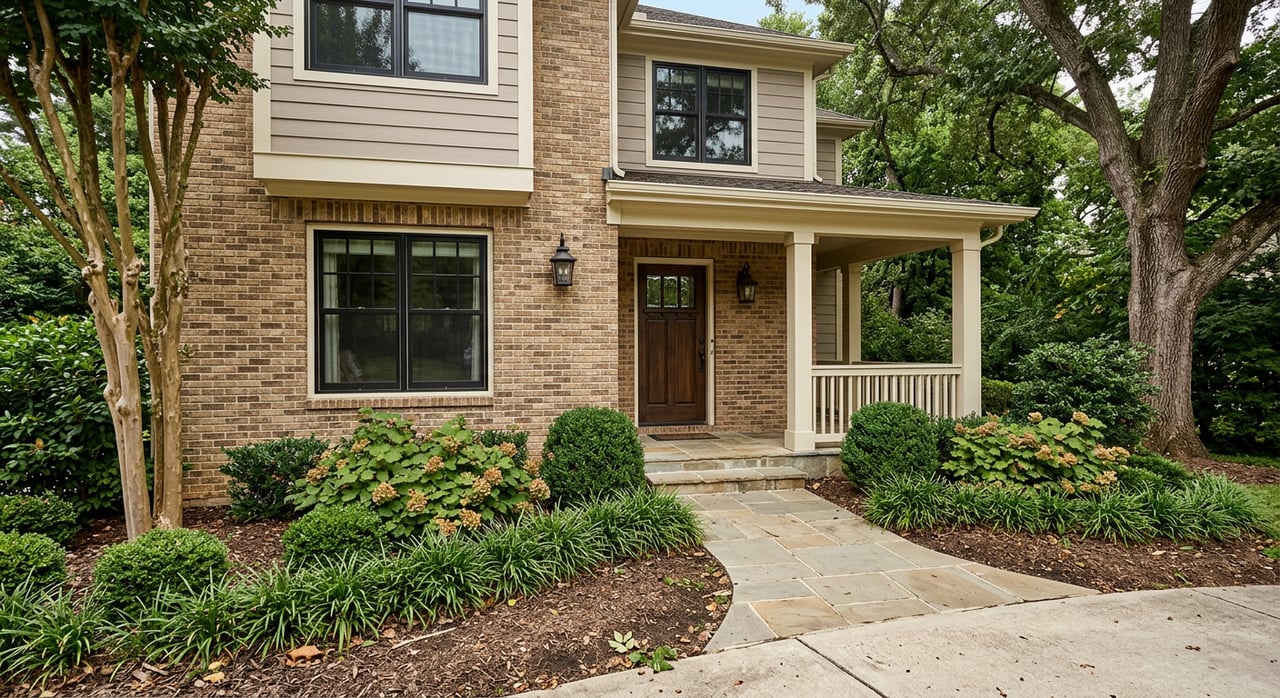
If you like character and mature trees, focus near Bartlett Station and the Old Historic Bartlett area. You’ll see smaller lots, bungalows, and mid-century ranches. Living here often means shorter local trips to city services and community events, with tradeoffs like older systems and fewer subdivision-style amenities.
Elmore Park, Ellendale, and nearby established areas
These neighborhoods feature many homes built between the 1960s and 1990s, including ranch and split-level styles. You’ll find updated homes mixed with original finishes, so it’s smart to compare age and condition closely. Buyers often look here for value relative to the newest Bartlett subdivisions.
Subdivisions and planned communities
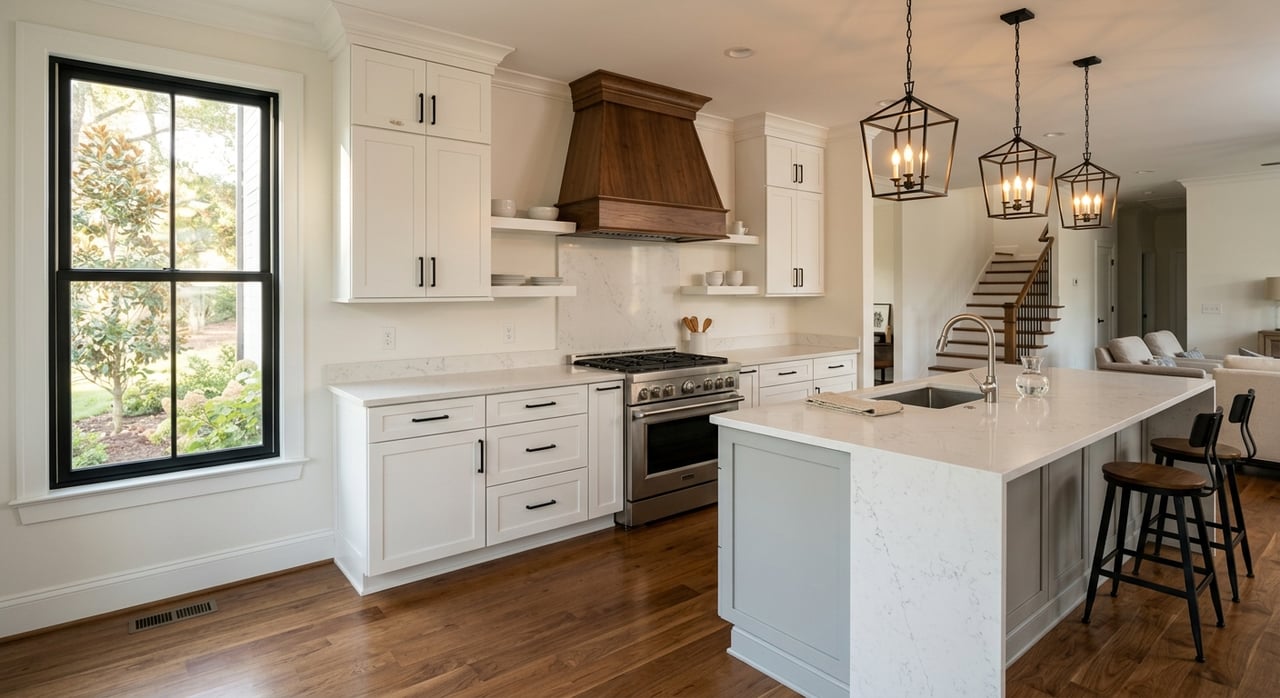
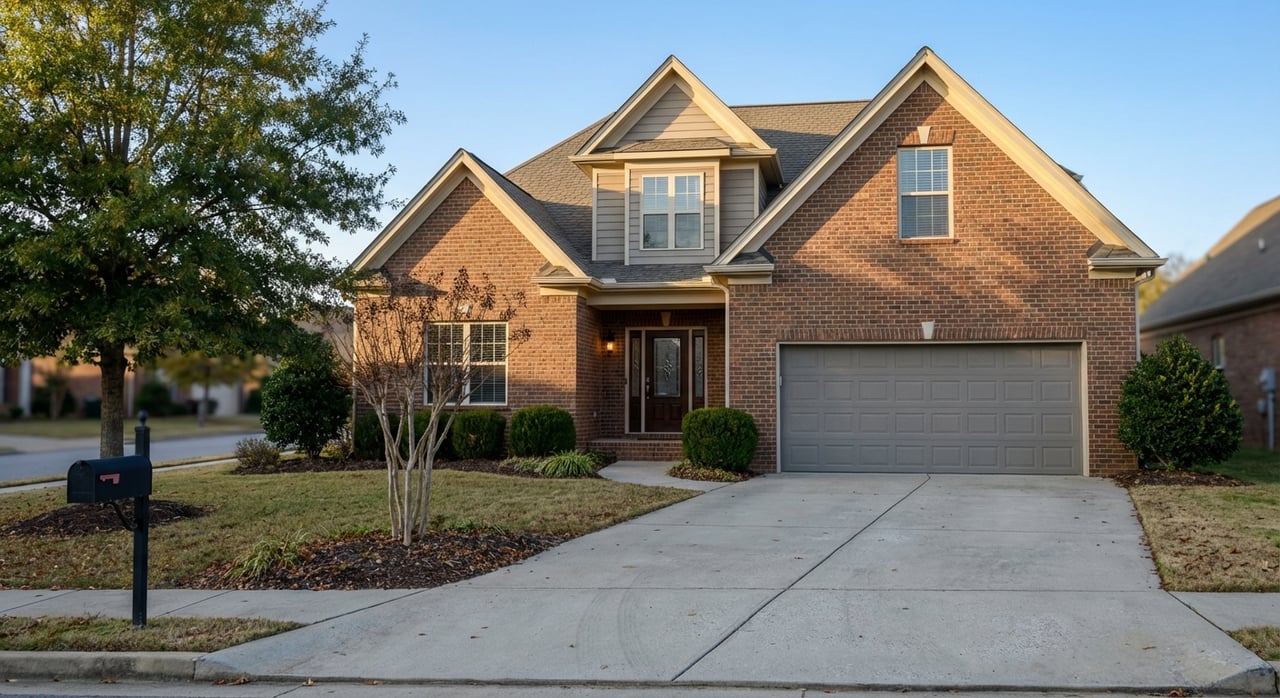
Newer subdivisions, including areas like Rivercrest, tend to offer larger yards, sidewalks, and HOA governance. These communities often attract move-up buyers seeking more square footage and a traditional two-story layout. Review each HOA’s rules and fees so you understand parking, exterior changes, and maintenance standards before you commit.
Stage Road and the Wolfchase corridor
Stage Road/US-64 is Bartlett’s main commercial spine, and the nearby Wolfchase Galleria is a major shopping and dining destination for many residents. Convenience is a plus here, though you’ll want to evaluate traffic and noise on nearby streets, especially at peak times. If easy access to retail is high on your list, this corridor can simplify daily errands. Learn more about the retail hub at the Wolfchase Galleria center page.
What to compare in each neighborhood
Home age, style, and condition
Home style often tracks with the era:
- Ranch or one-story: common from the 1950s to 1970s.
- Split level: frequently 1960s to 1970s.
- Traditional two-story subdivision homes: often 1990s to 2010s.
Ask about roof and HVAC age, foundation history, and renovation scope. If you’re eyeing older homes near central Bartlett, look for documentation on updates and permitting. In newer subdivisions, confirm builder quality and any known warranty items or phased development plans.
Shopping, services, and daily errands
Think about where you’ll buy groceries, handle appointments, and go out to eat. Bartlett’s Stage Road corridor and the Wolfchase area offer big-box retailers, national chains, and restaurants in one place. If you prefer quieter interior streets, look a few blocks away to reduce traffic and noise while keeping easy access to the retail core.
Parks and greenspace
Proximity to a city park is a simple way to filter neighborhoods. Bartlett maintains many parks, including W.J. Freeman Park, Elmore Civic Park, and Ellendale Park. See the full list on the city’s parks page: City of Bartlett parks listing
Here’s a quick reference to get you started:
| Neighborhood area | Nearby park example |
|---|---|
| Historic/Central Bartlett | W.J. Freeman Park |
| Elmore Park area | Elmore Civic Park |
| Ellendale area | Ellendale Park |
| Subdivisions like Rivercrest | Check the city’s park list to confirm the closest options |
Commute patterns and transit
Most Bartlett residents drive. The average commute time is about 24.4 minutes, and your actual time will depend on distance to I-40/Stage Road and rush hour patterns. If you plan to use public transit, the Memphis Area Transit Authority operates service along key corridors, though options are more limited than driving. Review current route updates here: MATA service updates.
Schools
Bartlett City Schools serves the city with a traditional elementary-to-middle-to-high school progression. To evaluate fit, use the district’s school pages and Tennessee’s state report cards for objective performance data and boundary details. Start with the district’s official page: Bartlett City Schools.
HOA vs non-HOA living
With more than 70 active HOA neighborhoods in Bartlett, it helps to decide early if you want association rules and shared standards or the flexibility of a non-HOA street. If a property is in an HOA, ask for the CC&Rs, rules and regulations, budget, reserve information, recent meeting minutes, and any special assessments. Tennessee law also outlines seller disclosure requirements that help you understand property condition and association details. Review the statute here: Tennessee seller disclosure code.
A simple step-by-step plan
Step 1: Set your filters and map your search
Start broad, then narrow. Use Bartlett zip codes 38133, 38134, and 38135. Filter by year built, lot size, HOA presence, and a map polygon that hugs your preferred corridors, such as near Elmore Park or close to Stage Road and I-40 access. For verified ownership and tax history, confirm details on the Shelby County Assessor’s site: Shelby County property search.
Step 2: Shortlist 6 to 10 homes and compare context
Compare recent sales within the last six months, days on market, and price per square foot. Bookmark nearby school pages and note proximity to major parks. If you see a pattern in updates or pricing in one neighborhood, flag it and ask your agent to confirm with a custom CMA.
Step 3: Do timed drive-bys and neighborhood checks
Visit during weekday morning and evening rush, plus a Saturday midday. Note traffic on approach roads like Stage Road vs interior streets, street parking, yard maintenance, sidewalk presence, and turnover signs. If you want more context or have questions, the police department’s public contact page is a helpful starting point: Bartlett Police Department.
Step 4: Request documents before you write an offer
Ask for the seller’s property disclosure, HOA resale or estoppel certificate, HOA bylaws and rules, recent HOA financials and minutes, and the latest property tax record from the county. If anything looks unclear, you can consult a real estate attorney for help with HOA or disclosure questions.
Step 5: Lean on local expertise
A local buyer’s agent can run a detailed CMA that compares your shortlist by neighborhood, home age, and updates. If you are targeting specific subdivisions, ask about upcoming phases, off-market opportunities, and subtle value drivers like floor plan popularity or curb appeal standards.
Moving from “maybe” to “this is it”
Choosing your Bartlett neighborhood is about matching your must-haves to the way each area lives day to day. Start with the big filters like commute and HOA preference, confirm objective data on schools and parks, then spend time on the streets you might call home. With the right plan, you can confidently choose a neighborhood that fits your routine, your budget, and your long-term goals.
If you want guidance tailored to your needs, schedule a quick conversation with Barbara Burchett. As a seasoned, locally rooted buyer’s agent, Barbara helps you compare Bartlett neighborhoods with clear data, smart strategy, and responsive communication.
FAQs
Is Bartlett more affordable than nearby Germantown or Collierville?
- In general, Bartlett is considered more affordable than Germantown or Collierville. Always confirm with a current CMA and recent MLS sales to compare price bands at the time you buy.
How can I tell if a home in Bartlett is in an HOA?
- Check the city’s neighborhood list for HOA-governed communities, ask the listing agent, and review the seller’s disclosure to confirm the association name and fees. City of Bartlett neighborhoods and HOAs
What is the typical commute from Bartlett to jobs in Memphis?
- The average Bartlett commute is about 24.4 minutes, but times vary by neighborhood and rush hour. Test your route during peak times to see real-world drive times. Census QuickFacts Bartlett
Where should I look for move-up homes in Bartlett?
- Many buyers target newer subdivisions and planned communities, including areas like Rivercrest, for larger floor plans and traditional two-story homes. Compare recent neighborhood sales and HOA details to refine your shortlist.
How do I verify schools for a specific Bartlett address?
- Start with Bartlett City Schools for school listings and links to state report cards, then confirm any boundary or enrollment questions directly with the district. Bartlett City Schools