Looking for a Memphis neighborhood with real character? Cooper-Young stands out for its historic homes, lively local business district, and walkable everyday feel. If you want a place where front porches, local coffee, weekend markets, and neighborhood events all shape daily life, this guide will help you understand what makes Cooper-Young so appealing. Let’s dive in.
Why Cooper-Young Stands Out
Cooper-Young is a compact Midtown Memphis neighborhood centered around Cooper Street and Young Avenue. According to Shelby County’s historic-landmark guidelines, the area covers roughly 335 acres and about 59 irregular city blocks, with around 96% of it located within the National Register-listed Cooper-Young Historic District.
That historic identity is a big part of the neighborhood’s appeal. The district’s period of significance runs from about 1880 to 1941, which helps explain the older lot layout, mature streetscape, and porch-forward homes you see throughout the area.
Cooper-Young also has a recognizable public identity beyond its homes. The neighborhood is known for its 150-foot steel trestle sculpture on an abandoned railroad bridge, along with long-running preservation efforts that help protect its historic character.
Historic Homes Shape the Neighborhood
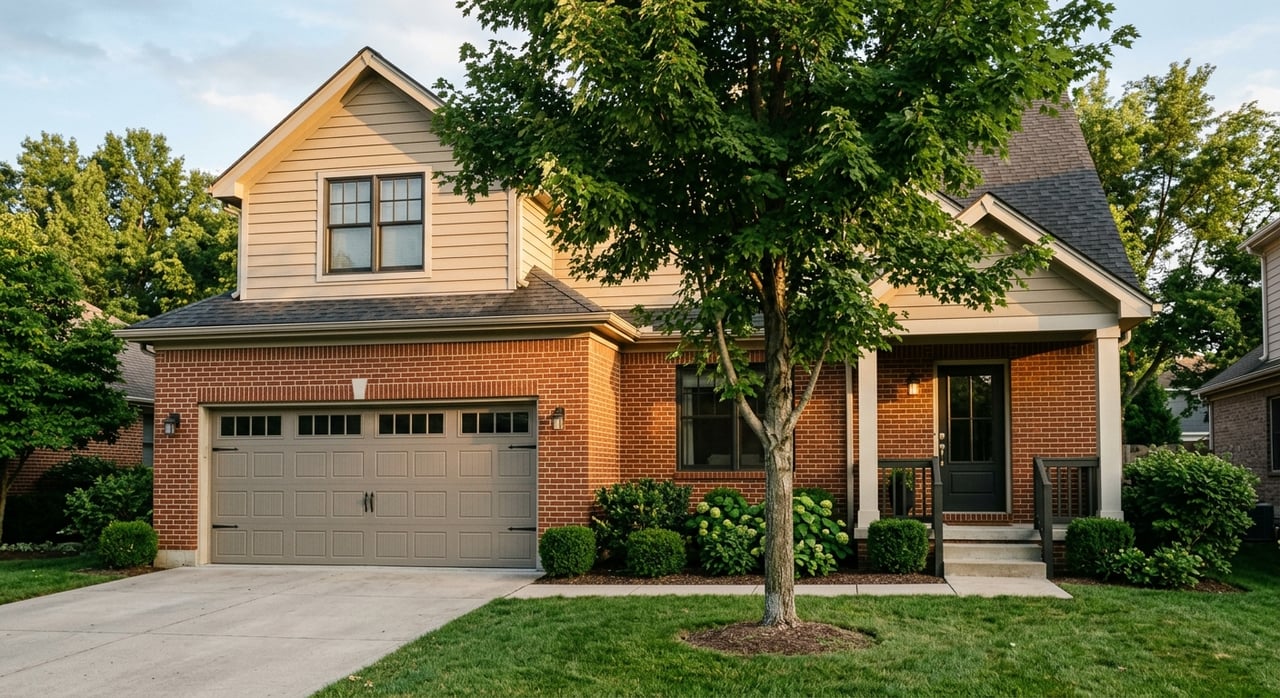
If you are drawn to older homes with architectural variety, Cooper-Young offers a lot to explore. Shelby County’s guidelines describe a housing mix that includes L-plan vernacular cottages, shotguns, Southern cottages, Tudor cottages, bungalows, four-squares, modified shotguns, and early suburban Cape and saltbox forms.
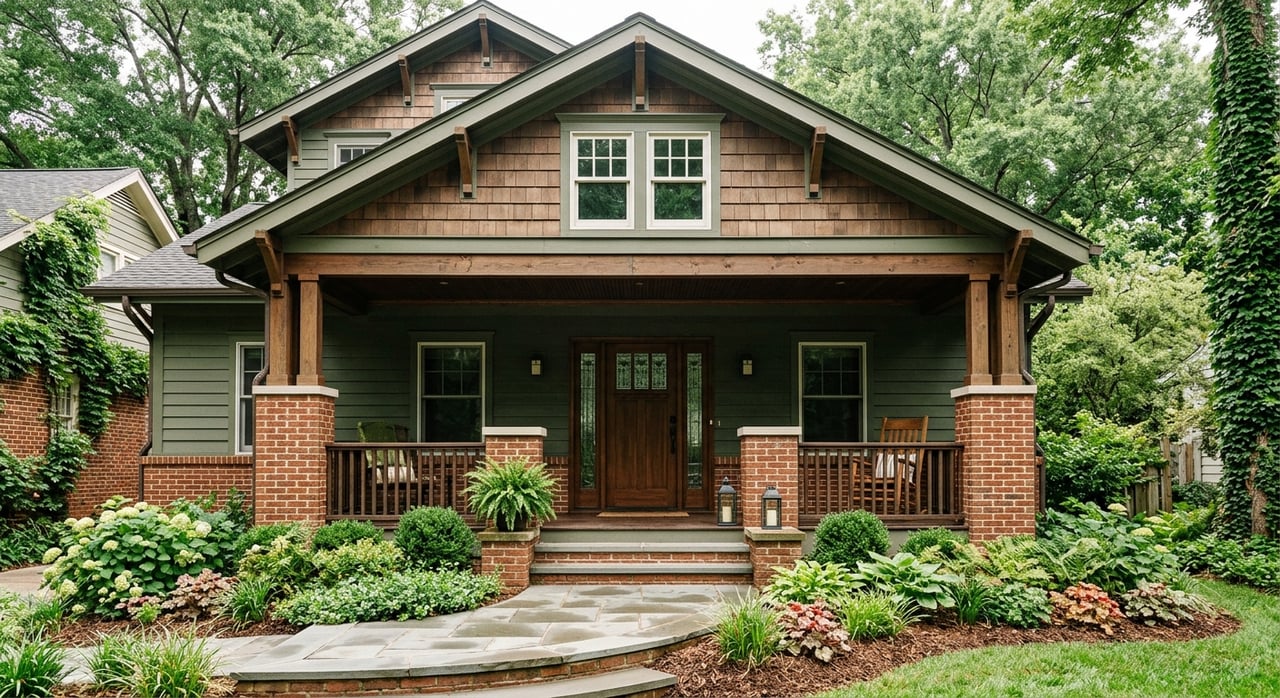
The most common home types are Southern cottages and bungalows. You will also find strong representation of Craftsman, Colonial Revival, and Queen Anne styles, which gives the neighborhood a layered and visually interesting feel.
This variety matters whether you are buying or selling. Buyers often appreciate the details that come with older homes, while sellers benefit from a neighborhood identity that is easy to recognize and market.
What a Historic Overlay Means
Cooper-Young is not just an older neighborhood. It is also located within a historic overlay district, and that affects how exterior changes are handled.
Shelby County’s guidelines say new construction should match nearby historic homes in key ways such as height, massing, setbacks, orientation, materials, roof shape, porch character, and parking placement. The same guidelines state that front-yard parking pads are not permitted and front additions to existing homes are not allowed.
For buyers, that means the neighborhood’s look and feel is not left to chance. For sellers, it means the preserved character that attracts interest is supported by clear local standards.
Daily Life in Cooper-Young
One of the biggest draws of Cooper-Young is how much you can do close to home. Walk Score ranks it as the 4th most walkable neighborhood in Memphis, labels it Very Walkable, and notes that most errands can be done on foot.
The same source also rates the neighborhood as very bikeable and says there is some public transportation. That combination supports an urban lifestyle that can feel convenient without giving up neighborhood character.
Cooper-Young’s commercial corridor helps power that experience. Walk Score estimates there are about 15 restaurants, bars, and coffee shops in the neighborhood, giving residents a steady mix of dining and casual gathering spots.
Local Businesses and Neighborhood Flavor
Current neighborhood guides describe Cooper-Young as having an energetic, social atmosphere. St. Jude’s neighborhood page highlights local businesses and dining spots including Maciel’s Tortas & Tacos, Aldo’s Pizza Pies, Imagine Vegan Cafe, Beauty Shop, and Memphis Drum Shop.
The neighborhood also features visual landmarks that add to its identity. The I heart Memphis mural is often noted as a gateway feature, helping reinforce the area’s creative, locally rooted feel.
For many buyers, this is where Cooper-Young becomes more than a collection of homes. It offers a lifestyle tied to local businesses, recognizable gathering places, and a strong sense of place.
Events and Community Traditions
Cooper-Young is known for more than its housing stock and restaurants. Community events are a major part of the neighborhood story and can be a meaningful factor if you want a place with regular local activity.
The Cooper-Young Community Farmers Market runs every Saturday year-round at First Congo on South Cooper. The market includes produce, baked goods, flowers, coffee, and live acoustic music, which adds a steady weekly rhythm to neighborhood life.
Seasonal events bring even more attention to the area. Memphis Travel notes that the Cooper-Young Garden Walk takes place in May, while the Cooper-Young Festival happens in mid-September and draws more than 100,000 people.
The neighborhood also has a music presence through Gonerfest. Taken together, these events help explain why Cooper-Young is often described as one of Memphis’s most recognizable neighborhood destinations.
Green Space Nearby
Even with its urban feel, Cooper-Young has access to nearby parks and daytime amenities. Research notes that Peabody and Glenview provide green space along with features such as a walking path and gazebo.
That balance can matter if you want both activity and room to slow down. It adds another layer to the neighborhood’s appeal for buyers who want a walkable setting with a mix of commercial energy and outdoor options.
Cooper-Young Home Prices
If you are trying to understand pricing in Cooper-Young, the clearest takeaway is that the neighborhood sits in a broad mid-market range rather than a single fixed price point. Recent portal data places median sale prices in the high-$200,000s, though the exact figure varies by source and reporting month.
Redfin reported a March 2026 median sale price of $270,850, along with 75 average days on market and a median of $181 per square foot. Realtor.com reported a February 2026 median home sale price of $285,000, 88 days on market, and 47 homes for sale.
Homes.com reported an April 2026 median sale price of $284,500 and a median list price of $295,000, with an average of $183 per square foot. That same source showed a listing range from roughly $149,999 to $748,000, which points to a market with meaningful variety.
What the Market Pace Suggests
The neighborhood appears active, but not uniformly fast-moving. Redfin described the market as somewhat competitive, while Realtor.com labeled it a buyer’s market in February 2026.
For buyers, that can mean opportunities may still exist across different price tiers and property conditions. For sellers, it suggests pricing, preparation, and neighborhood-specific marketing matter if you want to stand out.
Who May Love Cooper-Young
Cooper-Young tends to appeal to people who want a character-rich neighborhood with a strong local identity. If you enjoy historic architecture, independent businesses, neighborhood events, and a more walkable daily routine, this area may be worth a close look.
It can also be a fit if you value preserved streetscapes and understand the expectations that come with a historic overlay district. That combination of charm and structure is part of what makes the neighborhood distinct.
At the same time, it helps to approach the area with clear expectations. Homes can vary widely in style, updates, and price, and exterior changes are shaped by local historic guidelines.
What Buyers and Sellers Should Keep in Mind
For buyers, Cooper-Young is often about balancing charm with practicality. You may find a bungalow with original character, a renovated cottage closer to the commercial core, or a higher-priced listing that reflects location, updates, or lot appeal.
For sellers, the neighborhood’s identity is a real advantage when marketed well. Historic architecture, walkability, local events, and the surrounding business district all help create a story that resonates with the right buyer.
This is where local guidance matters. Understanding how to price, present, and position a Cooper-Young home takes neighborhood-level knowledge, especially in a market that is active but not identical from one block or property type to the next.
If you are thinking about buying or selling in Cooper-Young, working with a Memphis-area professional who understands neighborhood trends, historic-home appeal, and local buyer expectations can help you move with more confidence. To get personalized guidance for your next move, schedule a free consultation with Barbara Burchett.
FAQs
What is the Cooper-Young neighborhood known for in Memphis?
- Cooper-Young is known for its historic homes, walkable commercial corridor, local restaurants and shops, year-round farmers market, major neighborhood events, and preserved historic district character.
What types of homes are common in Cooper-Young?
- Common home types in Cooper-Young include Southern cottages, bungalows, shotguns, Tudor cottages, four-squares, and other late-19th- to early-20th-century residential styles.
What does the historic overlay district mean in Cooper-Young?
- The historic overlay district means exterior changes and new construction are guided by local standards related to height, massing, setbacks, materials, roof shape, porch character, and parking placement.
How walkable is the Cooper-Young neighborhood?
- Walk Score rates Cooper-Young as Very Walkable, says most errands can be done on foot, and also describes the neighborhood as very bikeable with some public transportation.
What is the typical home price range in Cooper-Young?
- Recent market data places median sale prices in the high-$200,000s, while listings have ranged from about $149,999 to $748,000 depending on home size, condition, updates, and location.
Are Cooper-Young homes selling quickly?
- Recent data suggests the market is active but not uniformly fast-moving, with reported median or average days on market ranging from about 75 to 88 days depending on the source and month.